2025 was one of the most important years in Sylius’ history. It brought new developer tools, the creation of new extensions, and the decision to take over maintenance of key ones, early steps into AI, and the introduction of project accelerators such as Elesto. The year was also marked by new people joining the team and a strong community presence, with events taking place not only across Europe but also beyond it. The year closed with a milestone that set a broader context for everything that came before it: the acquisition of PrestaShop.
This recap looks back at the work that mattered in 2025 and provides a view into what comes next for Sylius.
For a long time, documentation remained in the background. This year, it has moved to the forefront of our priorities.
We learned that progress isn’t always about launching more features. Often, what teams truly need is clear guidance. Even the best products provide little value if users don’t know how to use them confidently.
The increasing presence of AI in everyday development has made this issue impossible to ignore. Clear and structured documentation is no longer just for human users; it’s also essential for modern tools to function effectively.
Over time, this approach has evolved into what we now refer to as Doc-Driven Development. We begin by documenting key concepts, decisions, and use cases before we move on to coding. This simple shift has already transformed how we design, build, and explain Sylius.
If you’re starting to work with Sylius, the documentation is the best place to begin: docs.sylius.com.
Sylius doesn’t develop on its own. It grows thanks to the community’s support and involvement.
Throughout the year, a dedicated team of contributors has generously invested their time and expertise, actively participating in coding, reviews, and discussions, supporting a dynamic and collaborative ecosystem:
🦸 Apart from our heroes, a lot of value this year came from the wider community: people sharing feedback, reporting issues, answering questions, organizing meetups, speaking at events, writing articles, and helping others adopt Sylius in real projects. Much of this work happens quietly, but it matters just as much.
If you’re using Sylius today, you’re benefiting from all of it. Thank you for being part of this community. 🫶
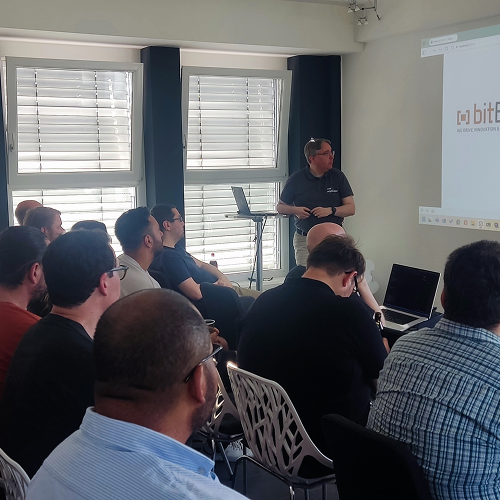
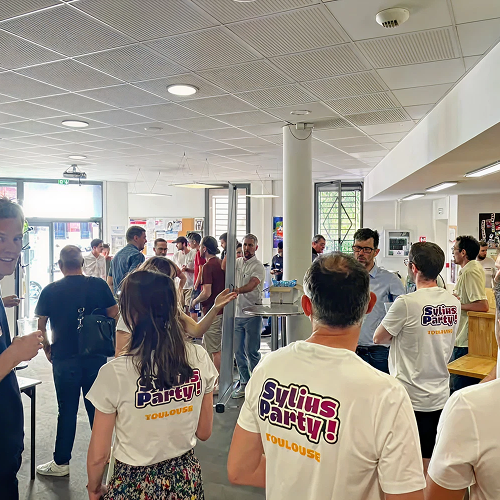
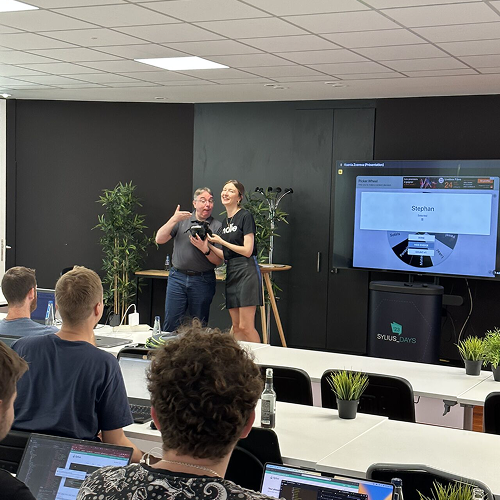
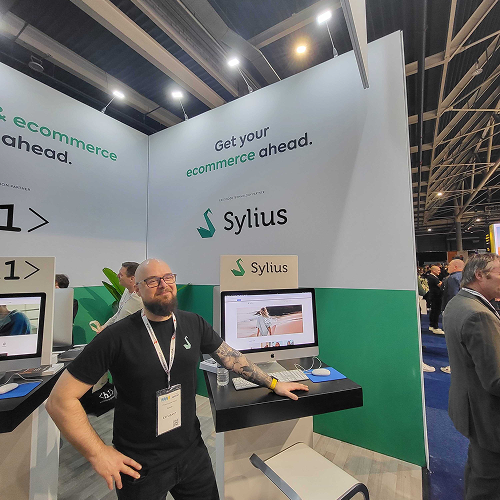
This year, much of what mattered for Sylius happened face-to-face.
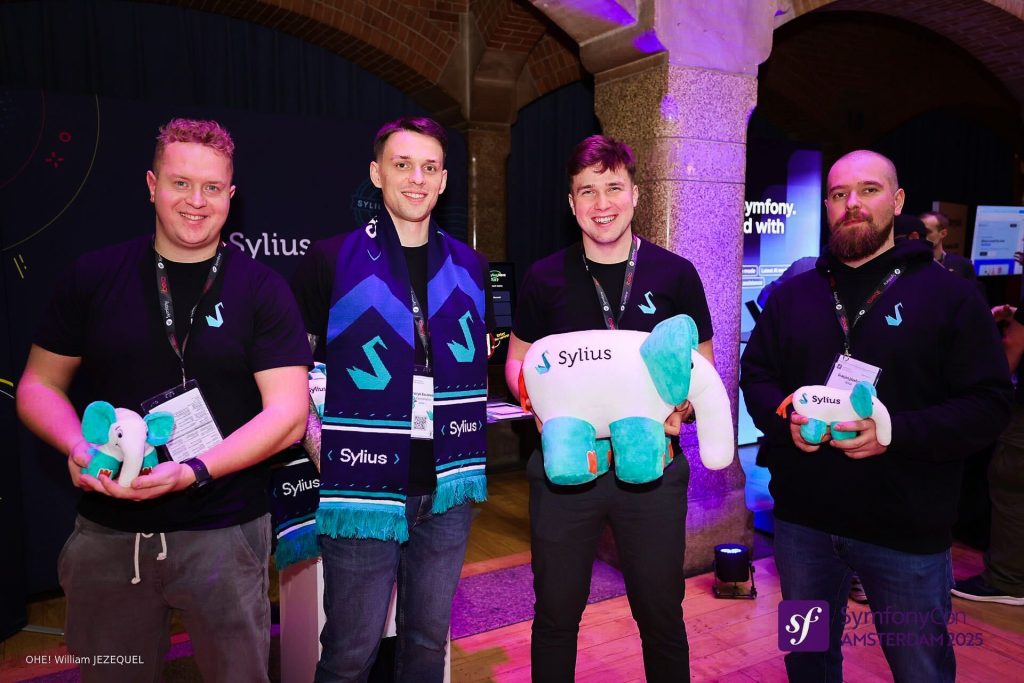
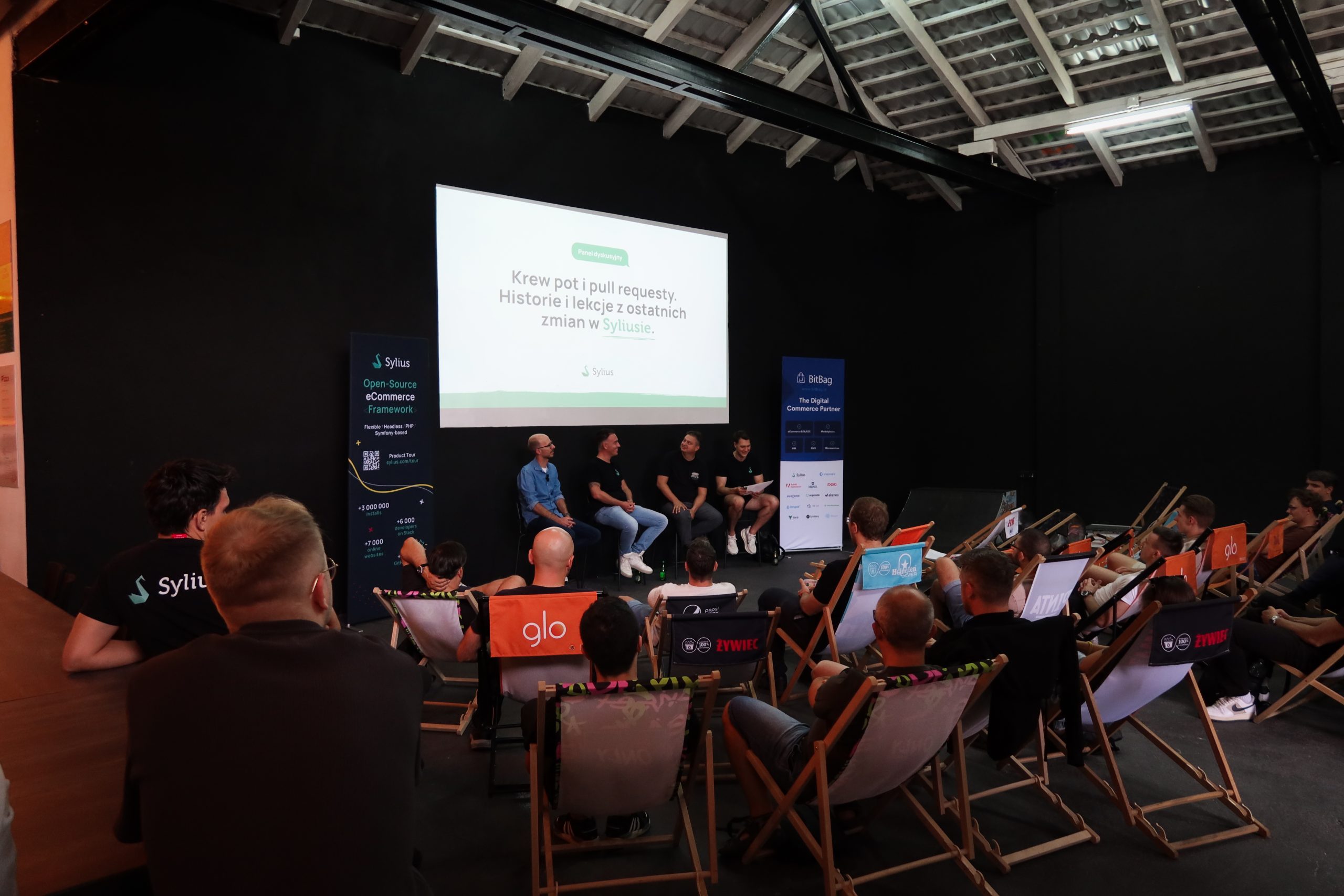
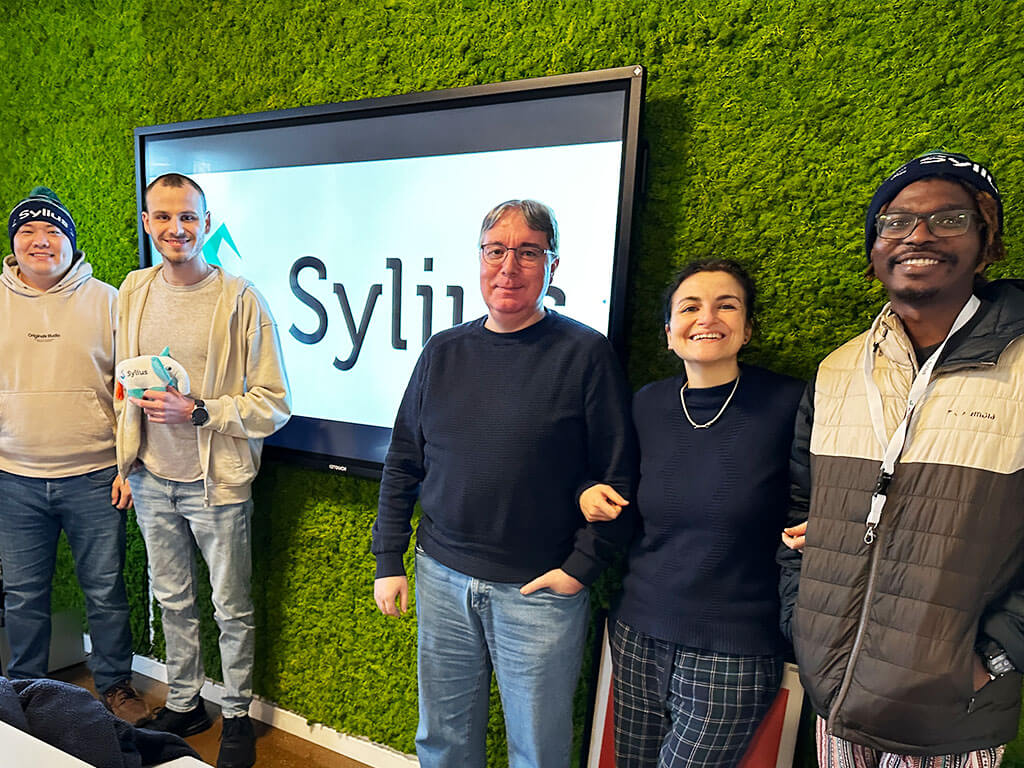
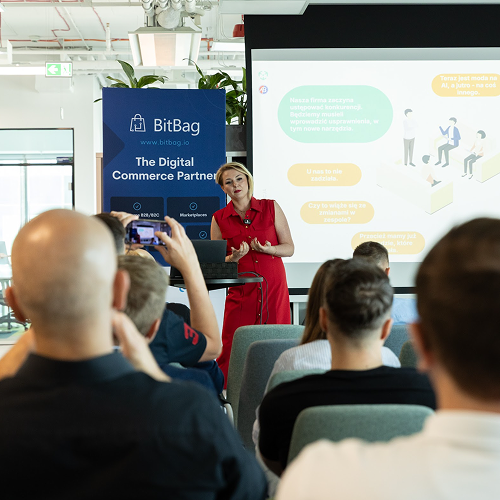
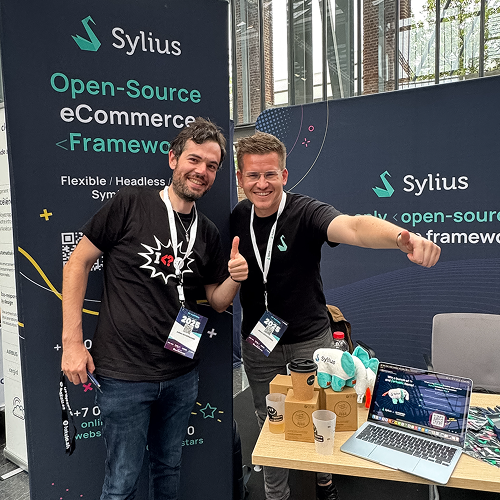
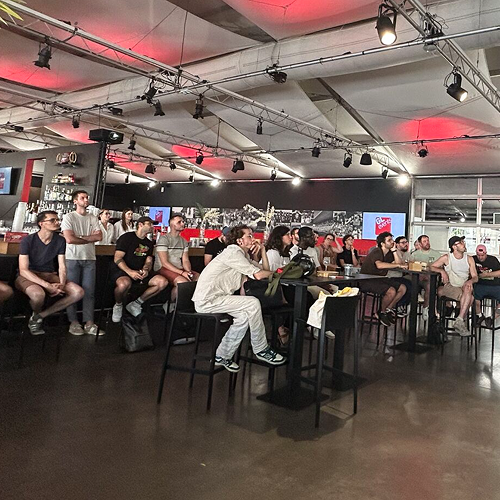
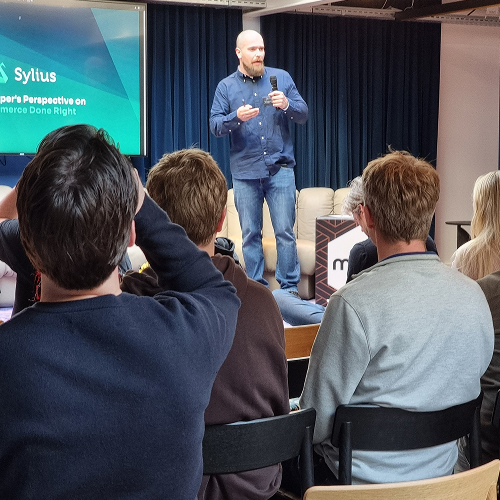
Together with partners and community members, we took part in, co-organized, and hosted 20 industry events across Europe and one community meetup in the United States. These moments were about shared experience and learning from how Sylius works in real projects across different markets.
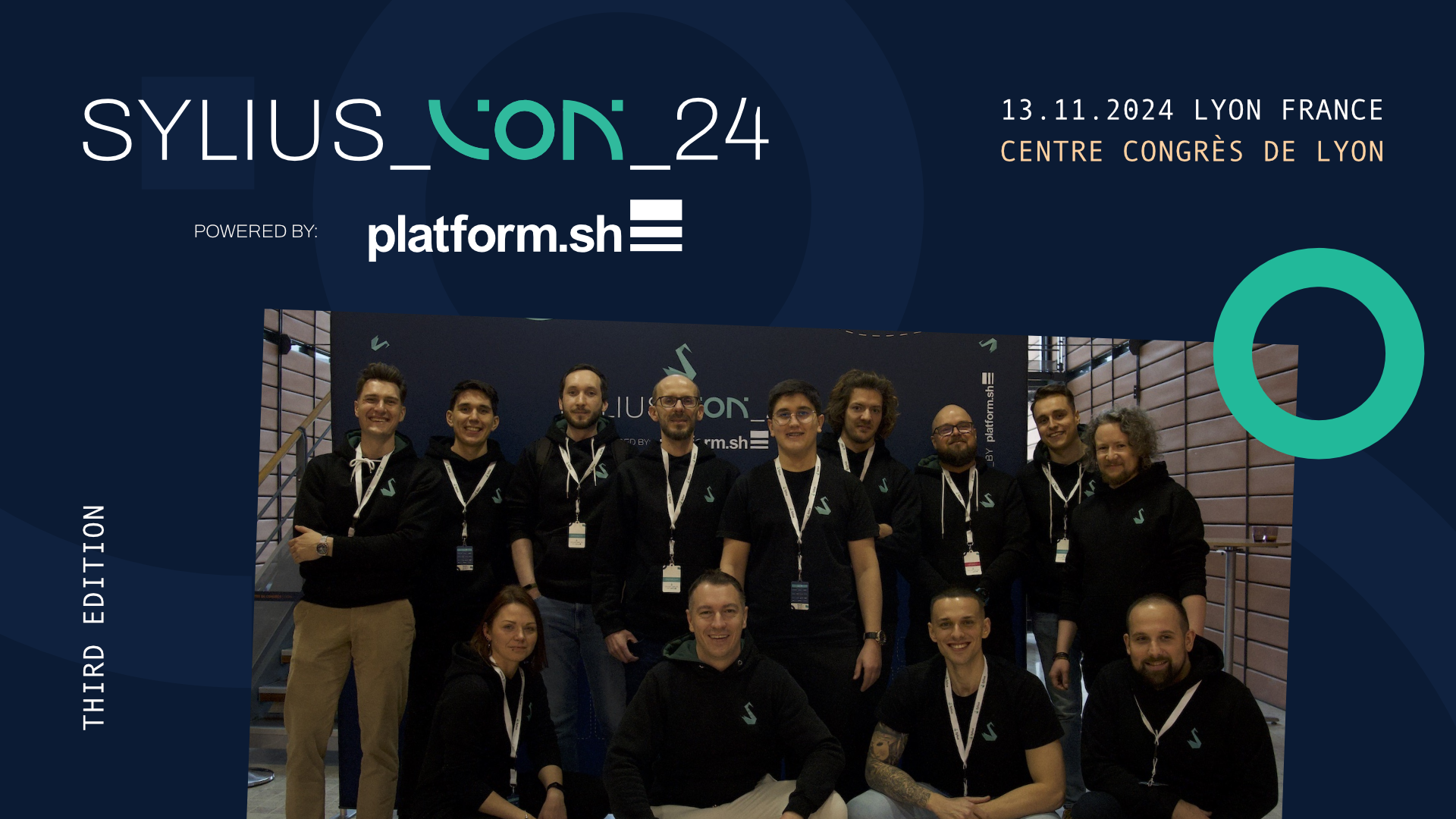
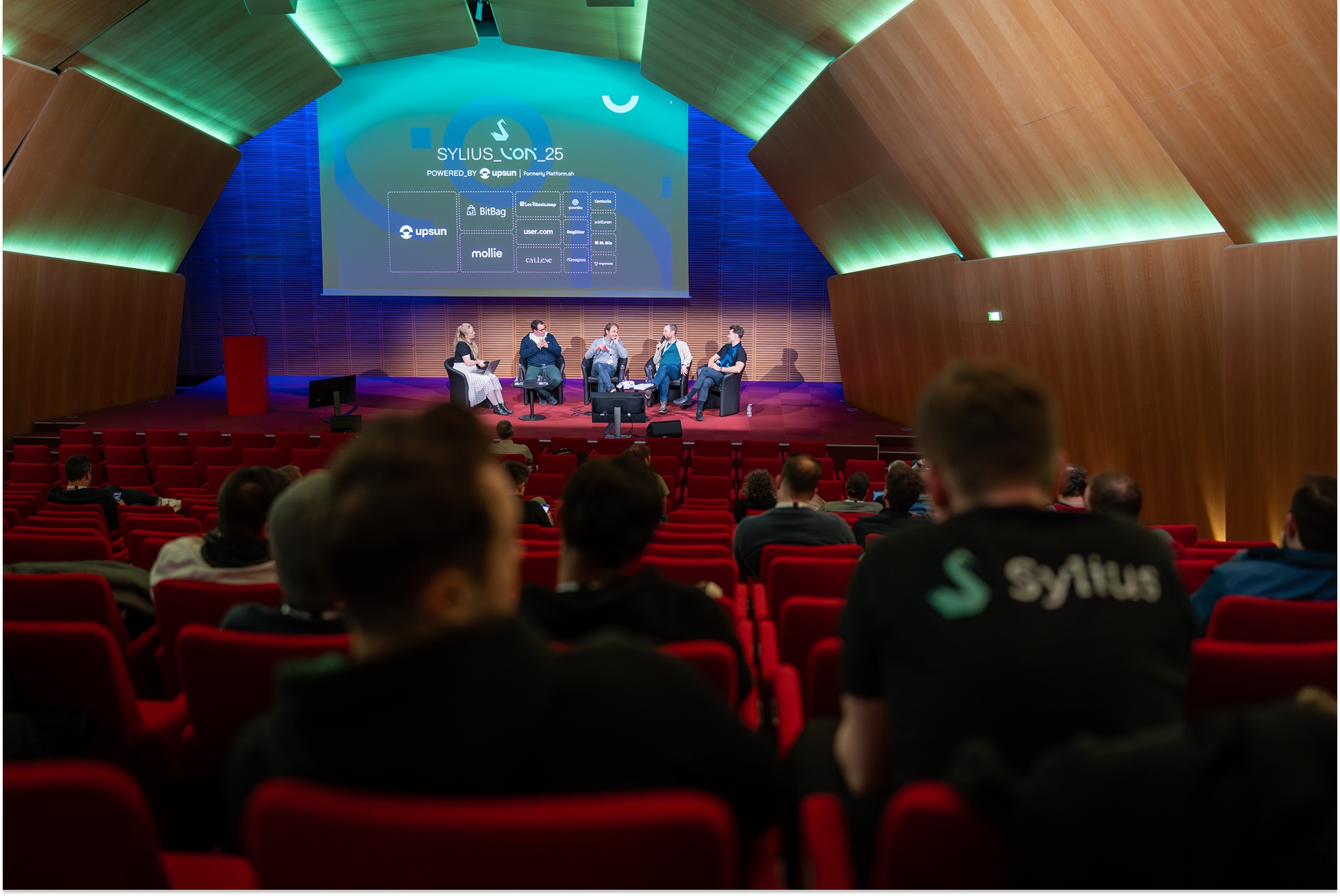
All of this naturally led to SyliusCon, our flagship community conference. It became a moment to pause, look back at what we’ve built together, and talk openly about where Sylius is heading next.
Local meetups and larger events play different roles, but both matter. Together, they keep the community connected and the project grounded in reality.

Across all supported versions, we released 40 Sylius tags in 2025. New features, fixes, security updates, and compatibility work were delivered in parallel, across multiple branches, without freezing development or leaving older versions behind. github.com/Sylius/Sylius/releases
Breakdown by version:
This release path reflects a conscious effort to keep Sylius moving forward while steadily paying down technical debt, instead of letting it accumulate over time.
If you’re running a store on 1.14 and are unsure how to proceed with an upgrade, or want to understand your options before making a decision, reach out to our team!
We offer technical audits and upgrade assessments to evaluate your current setup, identify risks, and define a clear next step toward a supported Sylius version.

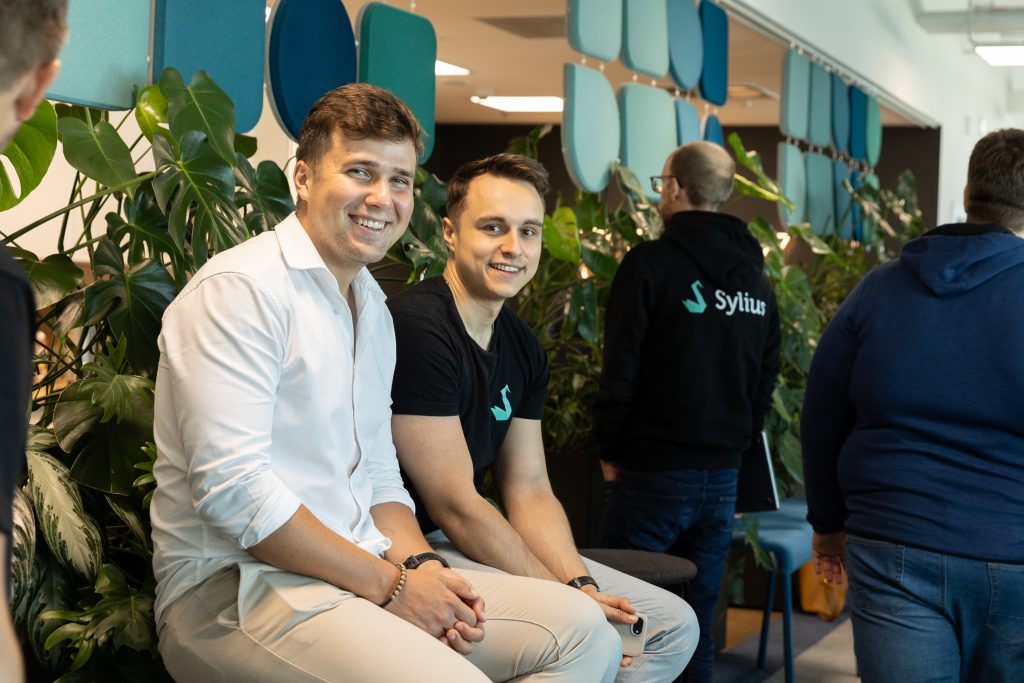
Szymon’s story with the project goes back to its early days, when he worked closely with Paweł Jędrzejewski and contributed to Sylius as it was taking shape. Years later, he returned, this time to help guide its future from within the company.
Today, Szymon works closely with the internal team on how Sylius evolves, bringing his technical experience and long-term perspective directly into the product.
The Sylius ecosystem today brings together nearly 100 partners across implementation and technology. Over the past period, new partners joined this network, expanding Sylius’ presence across different markets.
Ginger Minds, Cocolabs, AXON21, Infinitum Digital, SkalUp, Fifty Deg, Commerz, Creoline, User.com, Traffic Watchdog, Semcore SXO, Tpay, Arobases, Laioutr, Zenis, and Iteo.
What connects these partners is not a single technology, but experience. They work close to merchants, understand real constraints, and help choose the right tools for the job. In many cases, that choice leads to Sylius, not by default, but because it fits the problem. This is how the ecosystem grows: through informed decisions, real projects, and trust built over time.
Thank you to all our partners for the work you do and the trust you place in Sylius. 🫶
This year, we also went back to one of the fundamentals: learning and shared standards.
The Sylius Online Course has been updated and refreshed to better reflect how Sylius is built and used today. Existing materials were reviewed, adjusted, and extended, so the course now covers both the foundations of working with Sylius and the realities of newer versions, including Sylius 2.0.
At the same time, Sylius certifications are back. They’ve been refreshed and reintroduced as a way for developers to validate their knowledge and experience with the platform.
Over the past year, we have taken responsibility for maintaining several key Sylius extensions.
These plugins are widely used in real-world projects and various other implementations. Bringing their maintenance in-house was a pragmatic decision to keep them stable, compatible with upcoming Sylius versions, and easier to evolve alongside the platform itself.
This wasn’t about closing the ecosystem or replacing community work. It was about taking care of the pieces that many teams already rely on and making sure they remain predictable and safe to use over time.
The extensions currently maintained internally by the Sylius team include:
In 2025, we took over maintenance of the Sylius CMS Plugin, originally developed by BitBag.
It exists for a very specific reason. Many projects need a simple, predictable way to manage content close to the shop, without introducing a full-scale CMS. The plugin provides that baseline: something stable, easy to extend, and tightly aligned with the Sylius core.
At the same time, nothing here is meant to be exclusive. Sylius remains open to different content strategies, and external CMS solutions such as Sulu, Degditor, Storyblok, and other community-driven extensions remain valid choices when a project calls for them.
📘 Docs: docs.sylius.com/cms-plugin
💻 GitHub: github.com/Sylius/CmsPlugin
This extension is widely used across Sylius projects, both in B2C and B2B contexts. Sometimes it’s a classic wishlist. Sometimes it becomes a shopping list or a starting point for repeat orders. The exact use case differs, but the goal is the same: giving users a simple way to save products and come back to them later.
📘 Docs: docs.sylius.com/wishlist-plugin
💻 GitHub: github.com/Sylius/WishlistPlugin
Bundles in Sylius are not a fancy feature, but a very practical need. This extension is used to sell predefined sets of products, such as starter kits, bundles, or curated assortments.
It allows teams to group existing products into a single offer that can be purchased as one item, without introducing custom logic or duplicating products in the catalog.
Over the past year, it became clear that for many teams working with Sylius, payment integrations are not a place for experiments. They need to be stable, trustworthy, and kept in sync with how the platform evolves. That’s why we took over maintenance of the official Mollie and Adyen plugins.
This work focuses on keeping these integrations aligned with new Sylius versions, reducing friction during upgrades, and ensuring merchants and agencies can rely on them in production. There’s also an important ecosystem aspect to this collaboration. Every project using these officially supported payment integrations contributes directly to the development of the Sylius Community Edition. Sylius reinvests 100% of the revenue from affiliate and revenue-share partnerships with Payment Service Providers into the growth of the open-source platform.
Apart from maintaining Sylius plugins, a big part of the effort went into products and tools that change how developers actually work with Sylius on a daily basis.
For a long time, building Sylius plugins came with a familiar kind of obstacles.
Not because the plugins were hard to write, but because getting started always meant the same routine: setting up a test environment, copying boilerplate, aligning dependencies, and hoping nothing subtle was missed. It worked, but it was repetitive. And it took time away from actually building.
The Plugin Skeleton was a step toward changing that. A simple starting point, generated with a single command, so developers could begin where it actually matters, with code, instead of reassembling the same setup over and over again.
At the same time, another issue had been growing quietly in the background. For years, every plugin carried its own full test application. Each one had to mirror the Sylius core, stay compatible with multiple versions, and be updated whenever something changed upstream. Over time, maintaining test infrastructure started to take more effort than maintaining the plugins themselves.
Instead of duplicating the same setup across repositories, the Test Application became a shared, centrally maintained environment. Plugins now focus only on what’s specific to them, while the test application evolves alongside Sylius itself. When a new version is released, it’s updated once, and every plugin using it moves forward together.
It’s a small architectural change with a very practical impact. Less maintenance. Fewer moving parts. And more time spent on building what actually matters.
For years, Twig did its job well. And for many projects, it still does. But over time, the same conversations kept coming back. Some teams wanted to build storefronts the way they already worked elsewhere. Some projects needed a headless setup from day one. And for international, consumer-facing brands, the expectations around performance, SEO, and frontend flexibility kept growing.
Instead of asking every team to solve this from scratch, we decided to provide a clear starting point.
That’s how FrontWing came to life. An official, open-source React frontend for Sylius, built to support modern, headless projects without forcing that choice on everyone else. It launched in 2025 as a complete foundation for a working store and quickly evolved to address the realities of production use, including server-side rendering and performance considerations.
The most important decision, though, was what FrontWing is not. It doesn’t replace Twig. It doesn’t deprecate existing approaches. It simply adds another path, one that teams can choose when headless makes sense for their project.
Twig stays. FrontWing is there when you need it.
Over the past year, a familiar moment kept coming back. Interest was there, but before making a decision, teams wanted to see something real – a working concept of the store. Preparing that demo often meant weeks of work, long before a project even existed.
Store Wizard makes demos lightweight and repeatable. It allows teams to show a working Sylius store early, without turning pre-sales into a full implementation. What used to take weeks can now happen in minutes, helping move from discussion to a clear next step.
When the Model Context Protocol appeared at the beginning of 2025, most platforms took a cautious approach. New standards come and go, and waiting often feels like the safest option.
We chose a different path. MCP looked like something more than just another experiment, a possible foundation for how AI systems could interact with real applications in a structured way. Even if it didn’t become the standard, exploring it early promised valuable insight into where AI integration might be heading.
Over the following months, that exploration took shape as the MCP Server Plugin. A bridge between AI models and the Sylius API, designed to expose real shop capabilities as controlled, callable actions. Not a chatbot layered on top of the store, but an integration layer that treats AI as a first-class participant.
Whether MCP becomes ubiquitous or remains niche, this work opened new possibilities for experimentation, from conversational commerce to AI-assisted operations and workflows that previously weren’t possible in Sylius projects.
📘 Docs: docs.sylius.com/the-book/ai-conversational-commerce
💻 GitHub: github.com/Sylius/McpServerPlugin
B2B implementations often repeat the same pattern.The catalog is ready and pricing rules are in place, but when a customer wants to discuss quantities, conditions, or a custom offer, the process often moves outside the system. Emails, spreadsheets, and side conversations start to fill the gaps, with each project handling it slightly differently.
The RFQ module was created in response to this pattern. Not to reinvent how B2B sales work, but to give teams a shared and consistent way to handle quotation flows directly in Sylius, without relying on external tools or one-off custom implementations.
It brings negotiation back into the platform, where it can evolve alongside the rest of the commerce logic instead of living on the side.
In many projects, personalization led either to bloated catalogs with hundreds of static variants or to manual clarifications handled outside the system. Both approaches worked, but over time they became hard to maintain and even harder to scale.
The Product Configurator module was built to address this directly. It allows products to be defined through a guided configuration process, with structured options, dependencies, and real-time price updates. The final configuration stays attached to the cart and order, visible in the Admin and available via API.
This gives Sylius a native way to handle personalized and made-to-order products, without forcing them into variant-heavy models.
Over the years, Sylius has increasingly become a natural choice for B2B projects.
Not due to specific features, but because of its flexibility. The ability to model complex pricing, organizations, permissions, approvals, and large catalogs without fighting the platform. Over time, teams were using Sylius to solve similar B2B challenges, often starting from scratch each time.
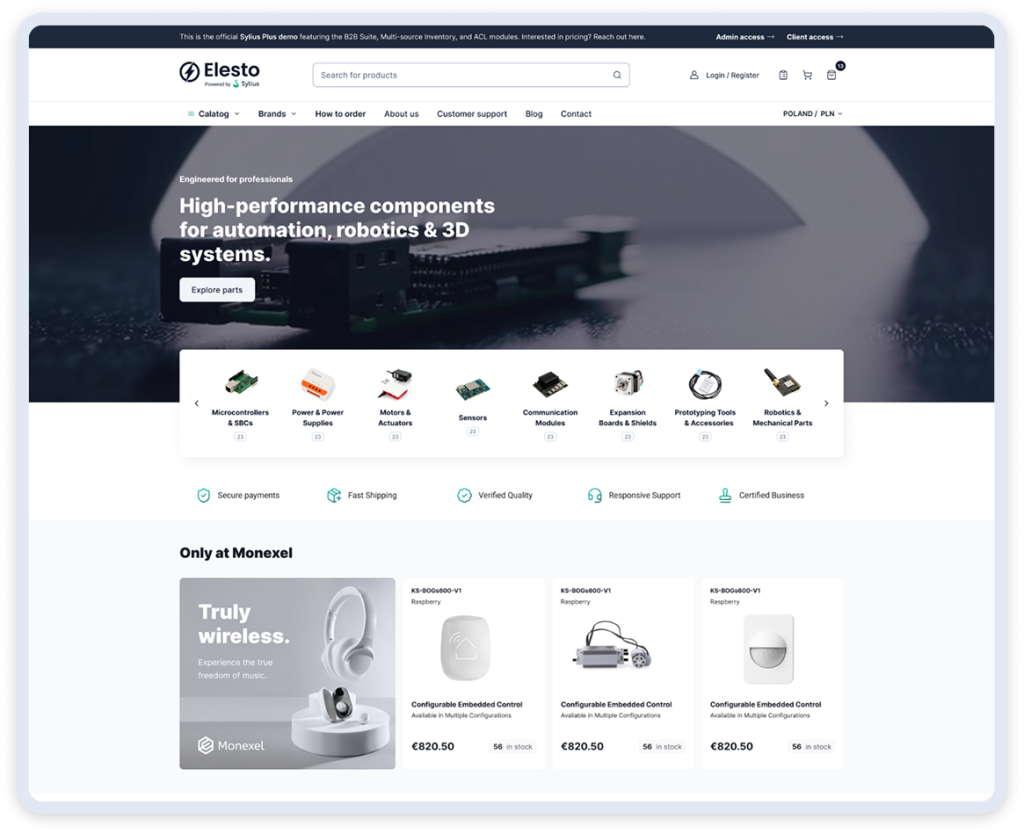
Elesto was built to bring those ways together. It’s a reference B2B project that shows how Sylius handles real-world B2B scenarios when everything comes together: organizations with multiple users and roles, customer-specific pricing, bulk ordering, shopping lists, reordering, and large catalogs. Not as isolated features, but as a coherent buying experience designed around how companies actually purchase.
Elesto isn’t meant to be a finished product or a one-size-fits-all solution. It’s an example. A concrete starting point that shows what’s possible when Sylius Plus modules like B2B Suite, RFQ, Product Configurator, and access control are used together in a realistic setup.
While Elesto shows what Sylius can do in B2B, another direction has been taking shape in parallel.
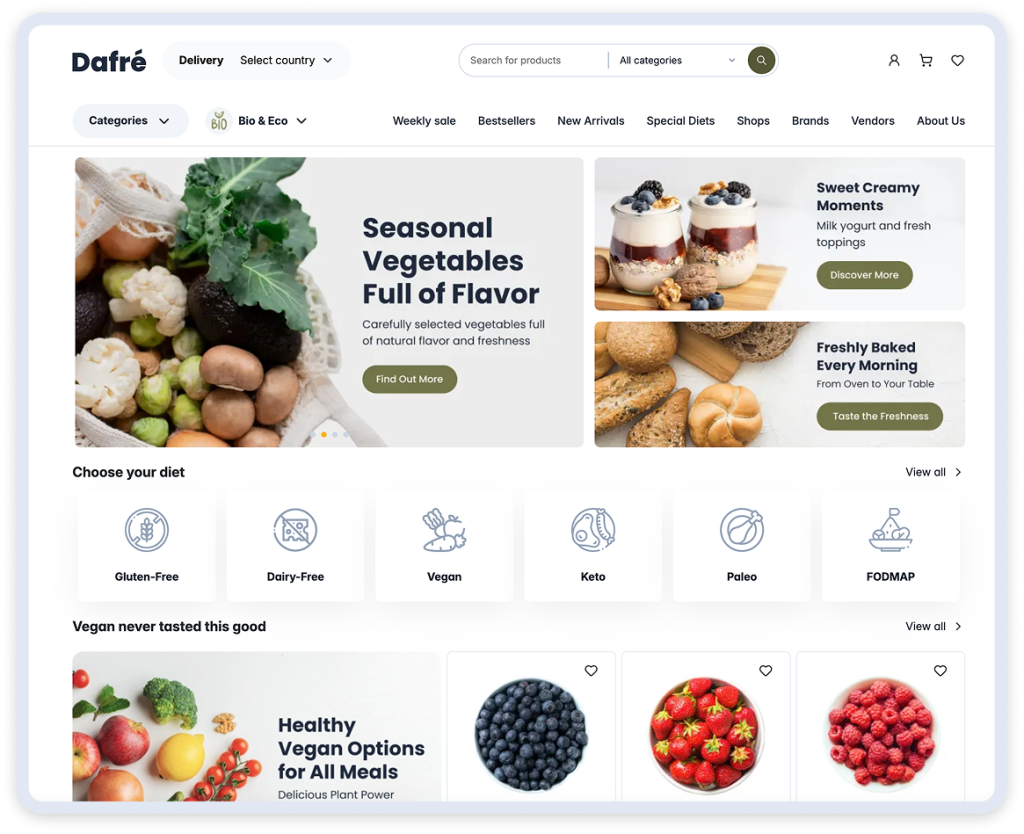
Marketplaces have always been among the most complex eCommerce setups. Multiple vendors, separate pricing and delivery logic, availability depending on location, and a user experience that has to stay coherent despite all that complexity. For years, this space was effectively reserved for large enterprises, mostly because of cost and implementation time.
Dafré is our attempt to change that. It’s a marketplace starter built on Sylius, designed to make multi-vendor setups more accessible without stripping away what makes them powerful.
The first beta is already out, and the stable version is just around the corner. For now, think of Dafré as a glimpse into where Sylius marketplaces are heading – faster to start, easier to reason about, and grounded in real implementation experience.
Together with cyber_Folks and BitBag, we joined the acquisition of PrestaShop. Two open-source commerce platforms, built in parallel over the years, now operate within a shared European ecosystem.
For the Sylius community, the most important part is what remains unchanged.
Sylius stays fully open source. The project continues to be developed transparently, according to its roadmap, values, and long-term commitment to quality and technological independence. Existing partner and merchant projects continue exactly as before.
What does change is the context in which Sylius can grow faster. Being part of a broader group of companies building critical eCommerce capabilities gives us access to experience, scale, and practical know-how that supports faster and more robust development, always with merchants and real-world use cases in mind.
This moment closes an intense year and opens a new chapter for Sylius, built on the same foundations, but with a wider horizon.
AI has already changed parts of Sylius – from documentation to conversational commerce. The next step is bringing it closer to everyday tasks. One of the roadmap plans is an AI Backoffice Assistant Plugin, designed to support admins with content generation, translations, SEO, and product organization, all without leaving the admin panel.
Switching platforms is a big project. To smooth that transition, a Cross-platform Migrator is planned – a tool to help teams move data and structure from other eCommerce systems into Sylius with less manual effort and risk.
Some business models are becoming standard, and Sylius is responding. The roadmap calls out Recurring Orders and Subscriptions for Sylius Plus, enabling businesses to offer subscription-based services and repeat-purchase flows without custom work.
Alongside that, Advanced Customer Service capabilities – like editing orders after they’re placed – are on the horizon, giving merchants more flexibility where standard workflows can fall short.
Over time, we learned that understanding Sylius’ capabilities often requires more than descriptions or documentation.
That’s why we started building project demos, concrete examples that show what can be built on Sylius in practice. With Elesto covering B2B scenarios and Dafré focusing on marketplaces, the next step on the roadmap is B2C Fashion, a demo planned to present Sylius in a classic, consumer-facing retail setup.
This blog post captures what shaped Sylius throughout 2025 the work, decisions, and changes that mattered in practice.
If you’d like to go through it together and talk about what’s next, we’re continuing the conversation live. On 22, Przemysław and Piotr review the updates outlined above and discuss what’s next on the Sylius roadmap.
Make sure you clicked the ring button so you don’t miss the livestream! 🎥🔴