
The company had studied eCommerce flows extensively, identifying exactly how they wanted customers to move through their platform. But they also knew that user expectations shift constantly in financial trading. What works today might feel clunky tomorrow. They needed a technical foundation that could evolve along with market changes. Gyllenhus had clear requirements, but implementing them proved more difficult than expected
Their vision for the platform included features that standard eCommerce solutions simply didn’t support. Before finding our Professional Solution Partner, Creatim and the Sylius platform, several implementation attempts had failed, leaving the team skeptical about whether anyone could actually deliver what they needed.
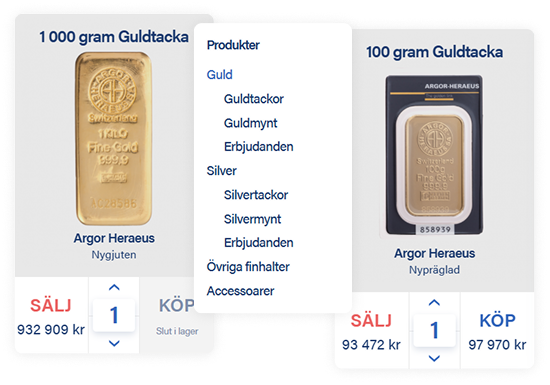
First, dynamic pricing that updates in real-time based on global precious metal markets. When gold prices shift, the platform needs to reflect those changes immediately. But reliability matters as much as speed – if the primary price feed fails, the system has to automatically switch to backup providers without missing a beat.
Second, the twin-track basket. Unlike standard online shopping, Gyllenhus customers needed to buy and sell items in the same session. Once they add items to their basket, whether purchasing gold coins or selling back silver bars, those prices lock for 20 minutes, protecting both the customer and the company from market volatility during checkout.
Third, introducing user types. Business customers and retail buyers go through different registration processes, see different pricing structures, and have taxes calculated based on both their customer type and country of origin. The platform needed to manage these variations without creating confusion.
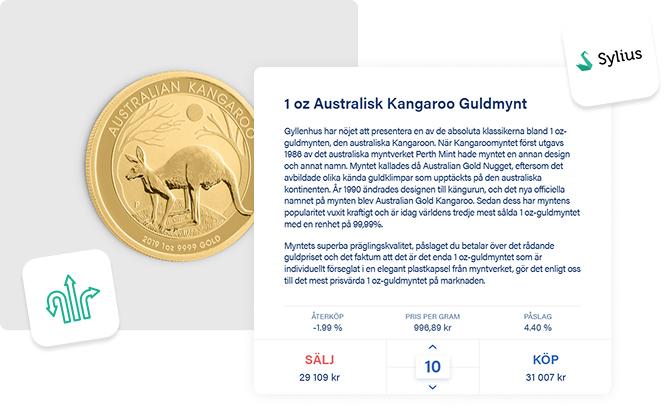
To handle these challenges, Gyllenhus chose Sylius for its flexibility. The platform’s modular architecture meant that unconventional requirements – like simultaneous buying and selling or mid-session price locking – could be built as core functionality rather than forced workarounds. Rather than bending Gyllenhus’s needs to fit a rigid structure, Sylius let Creatim build the exact flows the business demanded. What would require heavy customization on standard platforms became natural extensions of how the system already worked. Sylius enabled these changes without accumulating technical debt, keeping the codebase maintainable as requirements evolved.
Creatim structured the implementation in three phases: product catalog foundation first, then the checkout process with its specialized basket logic, and finally the refined requirements that made Gyllenhus distinctive in the market.
The completed platform gives Gyllenhus something their larger competitors struggle to match: an online experience tailored specifically to how precious metal trading actually works. Customers can move between buying and selling smoothly, confident that prices reflect current market conditions and that their transactions lock in rates for the time they need to complete checkout.
The feedback from customers validated the approach – they praised how easy the platform made what could be complex transactions. For Gyllenhus’s team, maintenance became simpler rather than more complicated. The modular architecture meant that adjusting to new market requirements or regulatory changes didn’t require rebuilding core functionality.
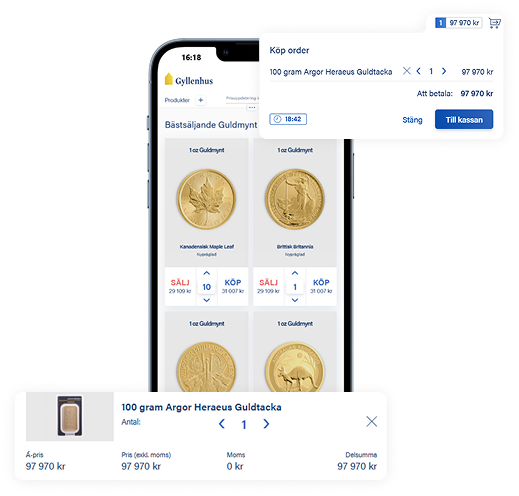
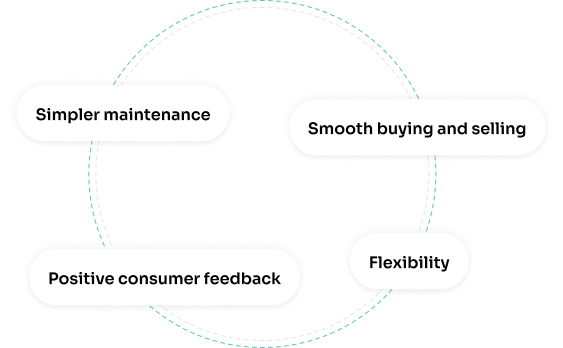
Moreover, Gyllenhus gained the flexibility they originally looked for. As market conditions shift or new opportunities appear, the platform can adapt without the lengthy development cycles that constrained its previous attempts. By offloading day-to-day maintenance and hosting to Creatim, the company focuses on growth and customer relationships rather than technical infrastructure.


 Sylius Plus


