
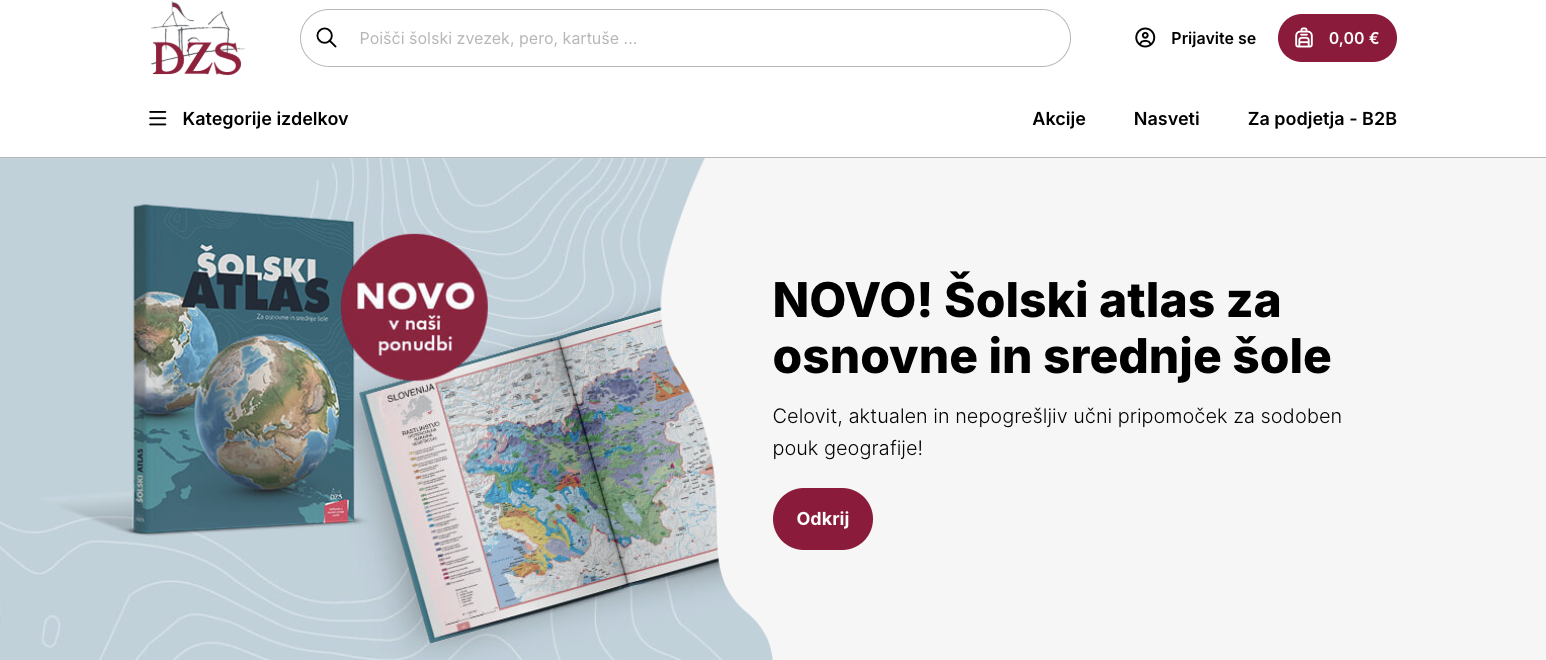
What was the challenge?
School supply shopping follows a specific logic that differs from
a typical online store. Teachers prepare lists of required books and recommended materials for their classes. Parents then need
to find the right list, review the recommended items, choose additional products such as notebooks or school bags, and complete the order. This means the purchasing journey is shared between different roles, each with different expectations and responsibilities. According to DZS’s market research, convenience mattered even more to parents than price. If finding the correct materials for a child’s school, grade, and class felt too complicated, the buying process could easily break down.
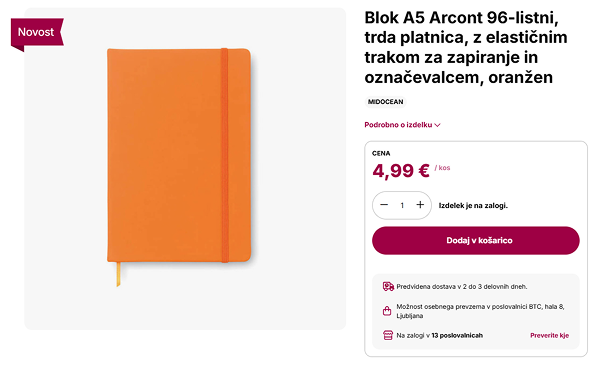
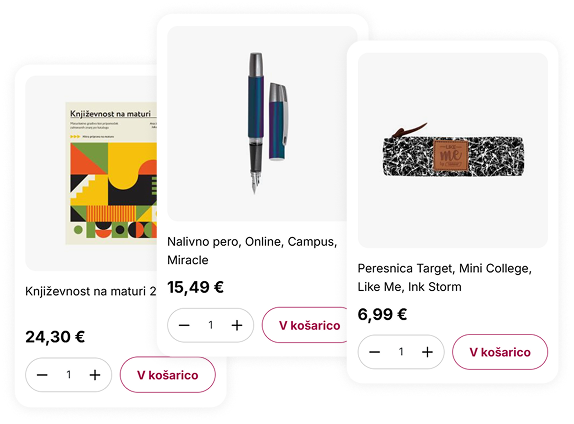
The platform, therefore, needed to support a high level
of personalization. It had to generate grade- and class-specific lists for elementary schools across Slovenia while also serving other customer groups, including corporate buyers, educational institutions, and individual readers.
At the same time, the project required integration with existing legacy systems, which added technical complexity. The timeline was also demanding, as the platform had to be delivered before the next school season.
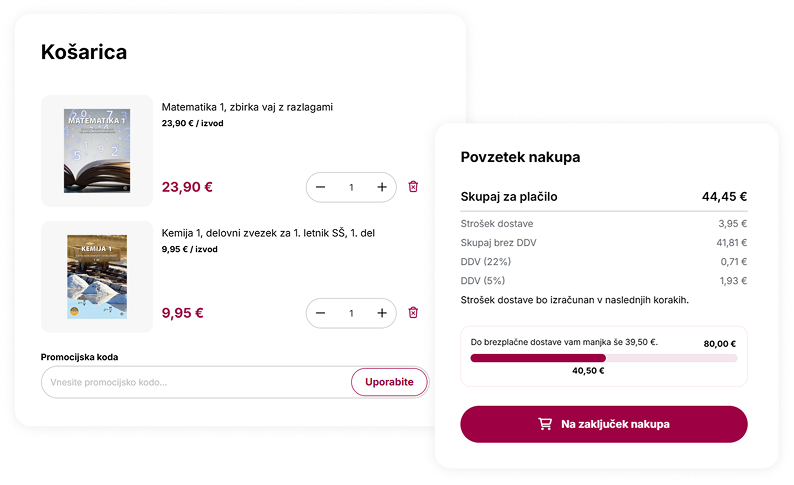
To support this kind of business model, DZS needed
a platform flexible enough to handle different user journeys without forcing all customers into the same standard flow.
Our platform was the right fit because of its modular architecture and adaptability. It allowed Creatim
to design tailored experiences for different customer groups while keeping the platform consistent and maintainable.
For DZS, this meant that school-specific logic could
be built directly into the platform instead of being treated as an external workaround. Generating class- and grade-specific lists for schools across Slovenia became a natural part of how the webshop worked.
Sylius also offered the flexibility needed to integrate with DZS’s existing systems. Rather than requiring a full infrastructure replacement, the platform could work alongside tools already used in daily operations.
The platform launched as planned and provided DZS with a foundation it could continue to build on over time. Instead of treating launch as the end
of the project, the new webshop was designed as a structure that could
be extended with new features and process improvements as business needs evolved.
The new DZS store now supports the complexity of its audience in a clearer and more usable way. Parents can find the right school lists more easily and complete orders with less friction. Teachers can define requirements in a way that translates more effectively into the online buying journey. Other customer groups, such as corporate buyers and individual readers, can use the same platform through experiences better suited to their needs.


 Sylius Plus


