
November brought post-SyliusCon momentum to the community. We released a video walkthrough of Elesto, represented Sylius at Tech For Retail Paris and SymfonyCon Amsterdam, and started sharing SyliusCon presentations on YouTube. Three Sylius-based projects launched across different industries, and two new partners joined the ecosystem.
Let’s dive into November! 🦢
November work in the core concentrated on stability and predictable upgrades. Sylius now tests and supports PHP 8.5 and Symfony 7.4 in CI, including fixes for runtime mode and error rendering so projects can upgrade with confidence (#18563, #18586, #18542). A tiny but powerful feature was introduced in the Core – estimated delivery time for shipping methods (#18544).
Shipping and checkout flows became more resilient: product–channel eligibility is now validated when finalizing an order, channel-specific configuration is removed automatically when deleting channels (#18512). The API now returns correct 422 errors for validation problems and clearer codes in cart operations, improving frontend and integration development (#18546, #18476). UX fixes covered long category names breaking navigation (#18541), product image updates in admin, and duplicated review rating recalculation (#18567, #18580). CI and security workflows were hardened through documented CVE ignore policies and Composer audit cleanups (#18549, #18553), and local bundling of UX icons removed a dependency on external APIs in builds (#18557).
Stack updates focused on smoother onboarding and fewer configuration blockers. The getting-started documentation was expanded to include missing setup steps (#313), firewall configuration docs were corrected so the admin firewall is not shadowed by Symfony’s default main firewall (#312), and translations in the BootstrapAdminUi were improved (#310) together with missing German admin UI translations (#306). These changes reduce integration time for new projects and prevent common misconfigurations.
ResourceBundle work strengthened its foundations for long-term maintenance. A large group of PHPSpec suites was migrated to PHPUnit across serializer, routing, validation, forms, doctrine, and events (#939). PHPStan replaced Psalm in CI with maximum-level analysis and a documented baseline (#1075). A new metadata extension feature enables custom resource and operation configuration, matching API Platform’s capabilities and supporting upcoming routing changes. Overall, integrators get a bundle that is more predictable to extend and easier to keep up to date.
GridBundle continued its technical cleanup to match the new grid layer used in Sylius 2.x. Psalm and PHPSpec were removed, PHPUnit was upgraded (#448), and several PRs reduced the PHPStan baseline (#457) by addressing long-standing type issues. Symfony-specific PHPStan extensions were added for stronger static analysis. Additional improvements included PHP configuration support for bundle configuration (#436) and stricter method signatures on field types, all of which make grid customization more reliable for agencies building advanced back offices.
Standard received several DX upgrades: the latest BuildTestApp action is now used in CI, Rector gained better integration through new scripts and updated configuration (#1189), and Symfony Flex contrib recipes were enabled by default (#1188), so community bundles configure themselves instead of failing silently. A deployment note clarifies which mounts must be shared across instances for autoscaling. These changes reduce friction when spinning up new storefronts or maintaining CI.
RefundPlugin received small maintenance improvements: ignoring the var directory to match ecosystem standards (#483) and simplifying CI by removing outdated certificate steps (#482) and updating Symfony to ~7.3 (#474). This keeps the plugin compatible with modern Sylius installations without introducing behavior changes.
Internal contributors
External contributors
Last month, we launched Elesto, our B2B project accelerator – this month, we’re showing you exactly how it works in practice. We recorded a walkthrough that demonstrates the real capabilities of the B2B Suite module in action, from the perspective of both buyers and administrators.
The video highlights how organizations manage user roles and permissions, allowing companies to control who can browse, order, or approve purchases within their team. You’ll see quick shopping in action – the SKU-based ordering that B2B buyers actually want, where entering product codes beats clicking through catalogs any day. We also showcase structured shopping lists for recurring orders and the effortless re-order functionality that turns complex repeat purchases into a single click.
🎥 Watch the Elesto walkthrough
Let’s take a closer look at the newest Sylius-powered projects.
wetalkwithyou launched leBORELMONSTER – a streetwear label that’s anything but typical. Working with designer and art director Guillaume Borel, they created an online shop that functions like a fashion gallery, where bold graphic designs take center stage without digital noise getting in the way.
The challenge was building a shop that doesn’t look like a shop, a platform that lets the designs speak for themselves while keeping the technical foundation lightweight and flexible. The solution pairs Sylius with a minimal, gallery-style layout and Stripe for product management and checkout, creating a seamless experience that prioritizes visual storytelling over standard eCommerce conventions.
The result is a digital space that grows with the label, transports personality instead of templates, and proves that sometimes the best technical solution is the one you barely notice – it just works.
GWO (Gdańskie Wydawnictwo Oświatowe), one of Poland’s leading educational publishers with over 30 years on the market, modernized its entire digital sales ecosystem with Sylius! Their math series “Matematyka z plusem” is used by over 65% of primary school pupils in Poland, making their digital infrastructure absolutely critical to thousands of schools and teachers.
The previous internally built platform was struggling with high technical debt, limited testability, and growing complexity. This made onboarding new developers difficult and slowed down the delivery of new features across their many digital products, from textbooks to online learning tools.
By choosing Sylius, GWO gained a flexible, Symfony-based foundation with a ready-to-use admin panel, API Platform support, and the freedom to tailor storefronts for each of their sales channels. Their development team successfully migrated the main bookstore in just 5 months with a team of 3 developers, introducing a custom theme and business-specific features.
Today, Sylius smoothly handles GWO’s full seasonal load, including over 350,000 orders a year, without stability issues, even with highly customized logic and complex integrations. The platform integrates seamlessly with systems like Empik (as an additional sales channel), Softlab ERP, internal CRM tools, and teacher training platforms, consolidating their ecosystem into one modern, scalable stack.
Table Indienne launched a beautiful new Sylius-powered store promoting Indian culture through gastronomy and arts across Europe. This small business combines authentic products with a carefully crafted online experience that reflects the richness of Indian culinary traditions.
Built on the latest version of Sylius, the store features a fully custom theme and several smart integrations designed to improve customer experience and retention. Automatic abandoned cart reminders help recover lost sales, while stock notification subscriptions let customers know when their favorite products are back in stock – particularly important for specialty items that can sell out quickly.
The development team chose Sylius after experience with Drupal Commerce and PrestaShop, specifically seeking the best performance and full customization capabilities. The result is a fast, smooth shopping experience that handles European-wide delivery while maintaining the personal touch of a small business that truly cares about what it sells.
The talks from SyliusCon 2025 are now available on our YouTube channel, and we’re highlighting some of the sessions that sparked the most interest.
Nicolas Potier and Sabrine Ferchichi from ACSEO demonstrated how they built an AI-powered shopping assistant on WhatsApp – enabling customers to discover, browse, and buy products through natural, real-time conversations.
Their talk, “How to Integrate AI in Sylius”, walks through the full journey: connecting Sylius APIs with AI services, designing conversational flows that feel intuitive and human, and handling product search, selection, and purchasing directly via messaging apps.
This presentation, along with many others from SyliusCon 2025, is available on our YouTube channel. 🎥
Let’s summarize the two fantastic events that happened in November.
Tech For Retail brought together partners, agencies, software vendors, retailers, and integrators for two intense days of conversations about the future of retail technology. We spent the time exchanging ideas, discovering new approaches, and collecting valuable insights from dozens of discussions.
The conversations covered everything from eCommerce architectures and headless implementations to B2B-specific challenges and the technical decisions that actually matter when building modern commerce platforms. What stood out most was the quality of discussions – not surface-level marketing talks, but real exchanges with people solving real problems.
It was a privilege to represent Sylius and the ecosystem we’re building together. The interest in flexible, API-first platforms continues to grow, and the conversations confirmed what we see every day: retailers and brands need solutions that adapt to their processes, not the other way around.
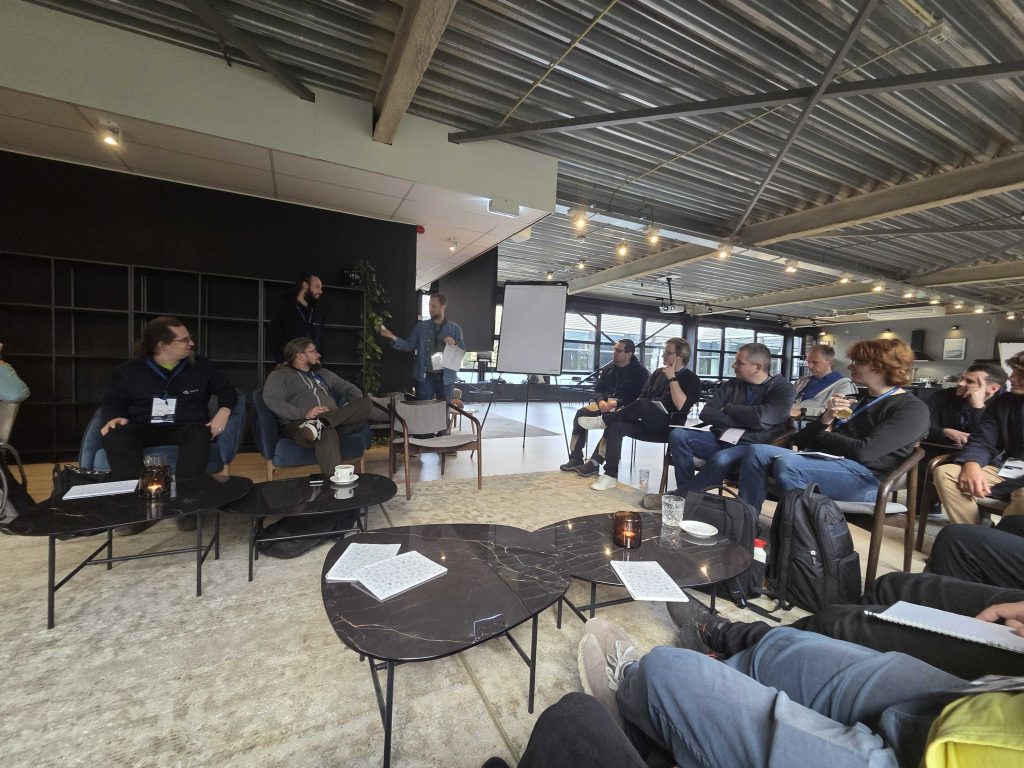
The day before SymfonyCon, we started the week at SuluTouch 2025. The atmosphere was a mix of pre-conference focus and curiosity, especially with Sulu 3.0 just around the corner.
The morning brought two parallel tracks:
After the break, the main panel set the tone for the rest of the day. We listened to community presentations, which naturally led to the big highlight: the official release of Sulu 3.0, closing a two-year development cycle.
To everyone’s surprise and excitement, the team also announced Sulu.cloud, their new hosting solution powered by SymfonyCloud.
A solid warm-up before SymfonyCon, and a clear signal of how fast the ecosystem is growing.
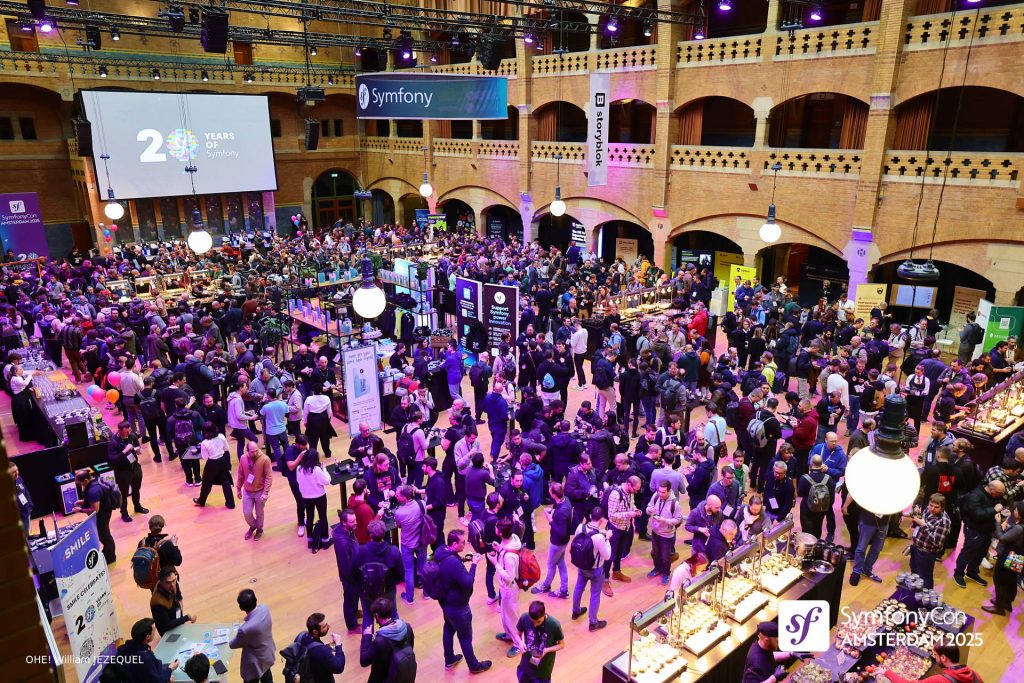
SymfonyCon Amsterdam was truly special – celebrating Symfony’s 20th anniversary with the community that made it all possible. The event was organized at an exceptional level, and we’re proud that Sylius could be part of this milestone.
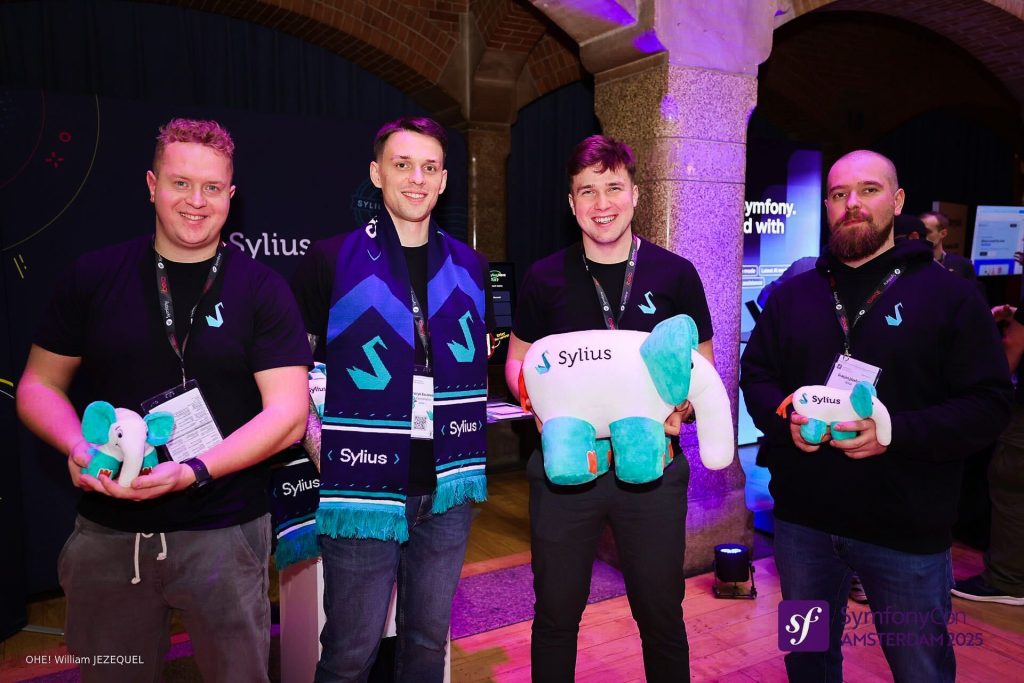
Thank you to everyone who stopped by our booth to chat about Sylius, shared their project experiences, or simply came over to say hi and give us a high-five. The conversations ranged from technical implementation details to broader questions about platform architecture, and every single one reminded us why this community is so valuable.
Our classic conference contest returned, and the Sylius elePHPant has found new homes! 🐘✨ Congratulations to the winners!
The Symfony community proved once again that it’s absolutely one of a kind. We’re heading back with a huge dose of energy and looking forward to next year – especially since SymfonyCon 2026 is coming to Poland! 🇵🇱
This month, TWO new partners joined our community! Give them a warm welcome!
Laioutr became our new Professional Technology Partner from Germany! 🇩🇪 This Berlin-based team offers a fresh approach to building and managing modern eCommerce frontends, giving brands and agencies a faster, more flexible way to create high-performance storefronts without the usual complexity of headless or composable setups.
What makes this partnership particularly exciting is Laioutr’s focus on frontend automation and design-to-code workflows – new ways of enabling technical and business teams to collaborate effortlessly. They’re exploring possibilities that make the delivery of scalable, accessible, and consistent storefronts significantly easier for everyone involved.
What’s more, iteo joined as our new Professional Solution Partner from Poland! 🇵🇱 This partnership strengthens our presence in the Polish market, where Sylius has strong roots and a growing community of developers and businesses building with the platform.
They bring expertise in Symfony-based development and a deep understanding of B2B eCommerce challenges, product configurators, and environments where full control over code matters most. Their approach values the flexibility Sylius offers – the freedom to build sales processes exactly how businesses operate, rather than forcing companies to adapt to rigid platform constraints.
Welcome to both partners! 🤝
Here are the newest articles from November.
First and foremost, Mikołaj Król shared a post backing a fundraiser to help the PHP community member with his wife’s medical costs. Mikołaj auctioned his treasured collection of elePHPants – including PHP, PHPers, Symfony, and Sylius mascots – to raise funds for the medical care of Asia, Leszek’s wife, who is undergoing treatment for ovarian cancer. We believe that open-source communities are built not only on code but on genuine human connections and mutual support.
Want to support the cause? Visit the fundraiser website
It’s always great to see the community growing – new projects going live, partners joining the ecosystem, and teams sharing their knowledge from SyliusCon. November showed that the momentum from Lyon continues, with developers, agencies, and businesses building interesting things with Sylius across different markets and industries.
With SymfonyCon 2026 confirmed for Poland and the year coming to a close, we’re excited to see what December brings. Moreover, we are preparing our yearly Sylius summary for 2025! Stay tuned! 🫶



 Sylius Plus